Winter and early spring moisture management
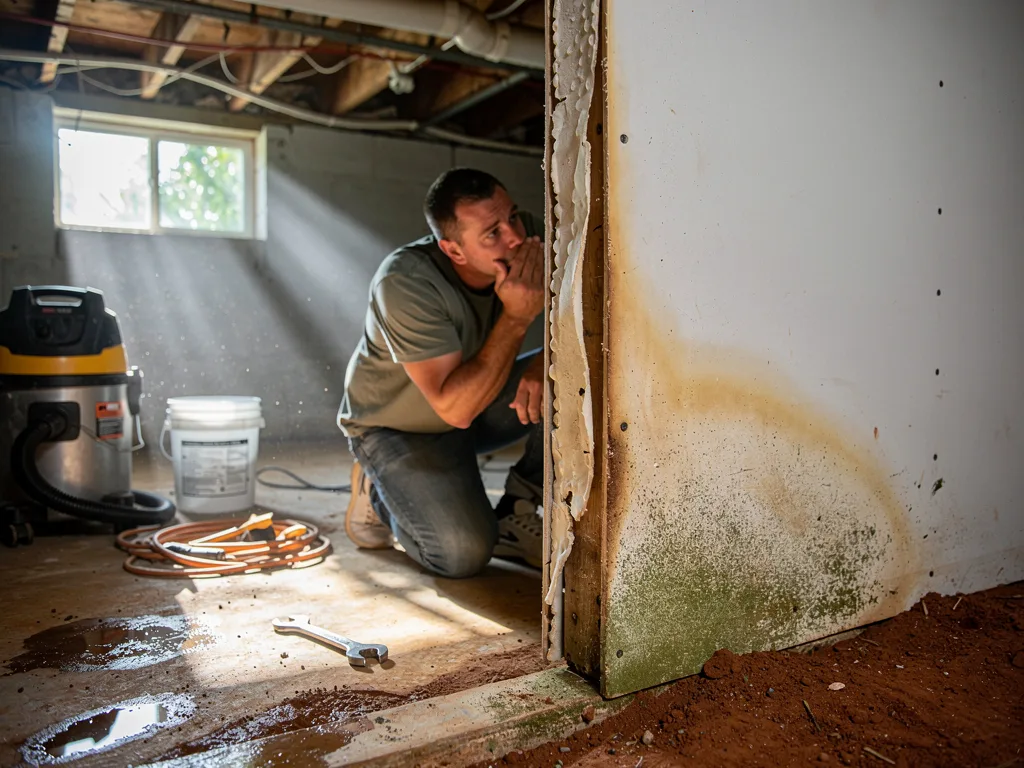
South Carolina winters can be damp, and early spring rains bring additional moisture. Start with gutters and downspouts: ensure they are clear and directed away from the foundation. Clean gutters twice a year and inspect for leaks. A small blockage can redirect water toward the house and lead to basement or crawlspace moisture problems that restoration specialists handle across the state.
Inside, check for condensation on cold surfaces like windows and exteriors that lead to dampness. Use a dehumidifier in living areas and basements if humidity sits above 60 percent for extended periods. Even a modest, consistent effort can reduce the risk of mold growth and wood rot during the wet months.
Spring and summer vigilance
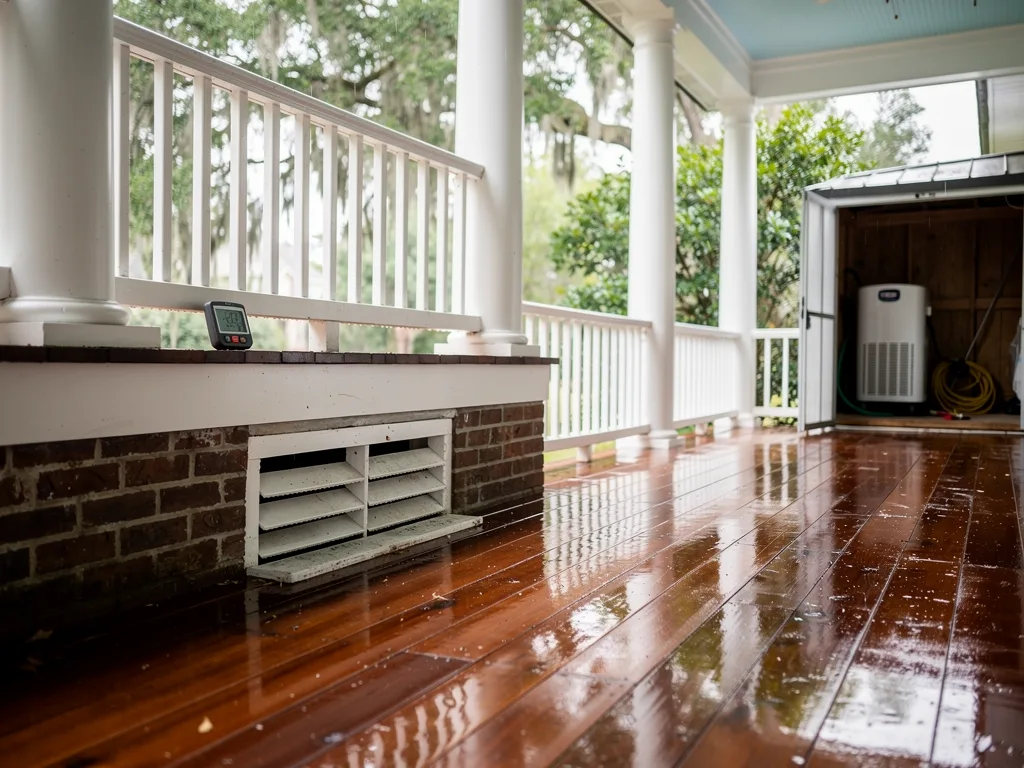
Late spring and summer bring heavier rain and the potential for flooding. Keep an eye on yard drainage and grading around your home. A small slope away from the foundation helps water flow away rather than toward the structure. In interiors, maintain a steady relative humidity around 40 to 50 percent where possible. Proper ventilation in kitchens and bathrooms reduces moisture buildup that fuels deterioration over time.
During storm season, a quick check after heavy rains can catch problems early. If you notice warm, damp air in crawlspaces or any musty odors, call a restoration specialist. Across South Carolina, our crews can mobilize to assess and secure affected areas before damage spreads.
What a proactive plan looks like
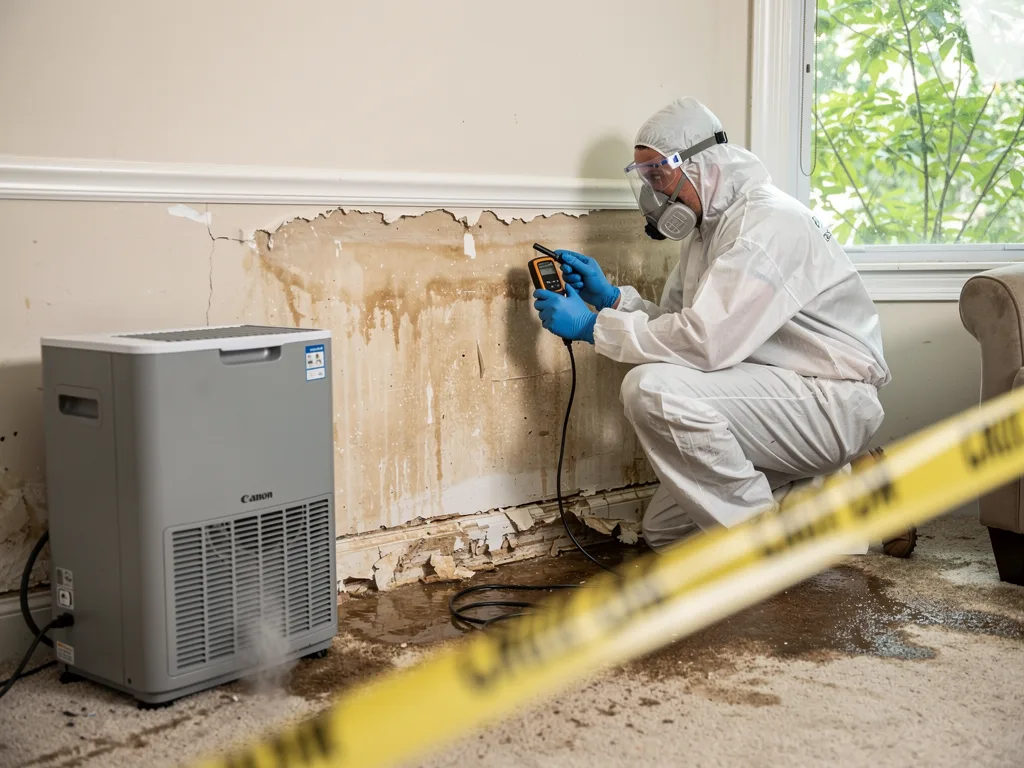
A statewide approach means chicken-scratch tasks add up. Here is a simple checklist you can use year round: inspect visible plumbing for leaks, run bathroom and kitchen exhaust fans after use, monitor humidity with a meter, and schedule a routine check if you notice recurring dampness. If moisture is detected behind walls or under flooring, a restoration specialist can locate the source and coordinate remediation across the state.
Practical routines
- Empty and clean dehumidifiers and ensure proper drainage to prevent standing water.
- Inspect the attic and roof after heavy storms for signs of leaks or moisture intrusion.
- Schedule a statewide assessment if you notice consistent dampness or odors in more than one room.